What was your experience at the UnSchool like?
While each day was power-packed with unexpected and memorable experiences, from the Zero Waste Shopping challenge and gorgeous communal meal prep, to the exhausting 24-hour design challenge, the day we traveled to the Matang Wildlife Reserve and the subsequent events to follow probably best describes the power of the UnSchool Experience.
The visit to the reserve was unexpected for all involved, including the facilitators — somehow none of us expected to walk into a rehabilitation center in the rainforest and be greeted by majestic orangutans, gibbons and sun bears in caged enclosures. Unfortunately, they were safer here because the alternative was to be fighting for survival against poachers and conflicts with other orangutans — who knew that the home range of a male orangutan in the forest is around 2500 hectares (that’s just two male orangutans in the whole city of Manhattan)!
While we understood that they were also being taken care of by an extremely dedicated and informed team, it was hard to not very quickly feel emotionally drained. Seeing our energies by the end of the trail, the facilitators decided to not opt for the trek but instead chose some down-time by the stream.
As we laid back in the deep green water, feeling consumed by the busy surround sound of the forest and shreaky calls of the gibbon, I felt as though there was another deafening sound in my head — perhaps that of cognitive dissonance in full action. Here I lay in this pristine waters under these dense foliage, exercising a freedom that should actually be for Peter and other orangutans — but here I am, and there they are in their enclosures with their caretakers. The swim was many things at once: a bonding session between the fellows, a much-needed alone time for those who craved it, and an intense, intimate moment with planet Earth.
It was followed up with a delicious falafel picnic (prepared by the facilitators) — imagine frying 200 (I assume) falafel first thing in the morning in a less-than-equipped service apartment. Then a no-holds-barred hour of Q&A with our guide Dominic and X-map reflection, each of which episodes deserve their own contemplative essays!
In any other experience, we would have probably called it a day. But not here! Back in the moving bus we played RIMBA, a truly fun card game designed by Nisha and Lymun (our super hosts) that encouraged us to learn about or at least come to recognise the unique Borneo forest animals. I was sitting at the front end of the bus, so I had the front row seat (literally) to witness how Leyla “reads the room” — suddenly, she had an idea, followed by whispering-whisperings between the hosts and lots of excitement for the brewing secret. A long bus ride later (to literary on the other side of Kuching) and just past sunset, we arrived at Kampung Panchor Hot Spring!
Our time in the hot spring, enjoying this natural bounty at the end of such an emotionally-gutting day, was one of my most visceral moments of feeling a sense of gratitude toward our Earth.
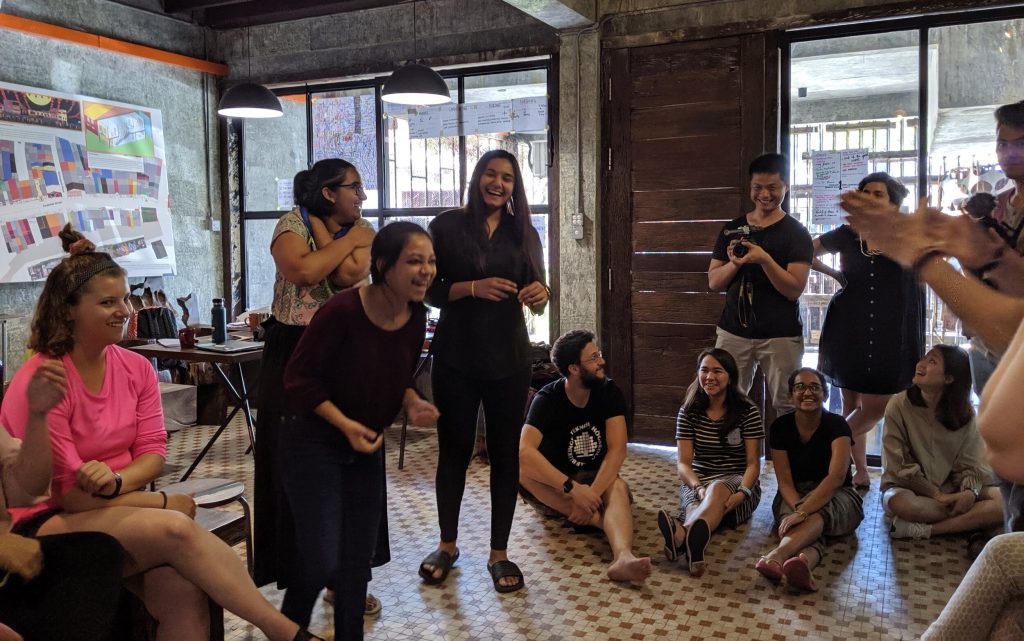
Once again, in any other experience, we would have probably called it a day. But not here! The hour-long bus ride to our dinner involved our gamification session! So here we were, after all that the day had to offer, including 4 hours of bus rides, enthusiastically drafting out our game… in the case of our group: an app-based game for elderly people addressing a social cause!
Gosh, I’m having a tough time not extending this answer to a 3-page blog post. So, to sum up, the Fellowship experience gets a lot of things right — how to press EVERY emotional and mental button in a short and intense span of time and still leave us wanting more is uniquely UnSchool!
What was the main take away you had from coming to the UnSchool?
The sheer breadth of experiences was inspiring! The careful mentor selection, starting with Jacky’s humorous take on our city’s history contrasted with the quieter tone of Pangrok Sulap punk rock and wood carving artworks; Carolyn’s zero waste initiatives to Welyn’s insights on indigenous knowledge systems and fair trade; Chris Perry’s journey from a fashion professional to edible park designer to Steve’s provocative questions to change the way we see the world and the language we use to express ourselves. Then to tie it all together, the primary venue Borneo Lab in itself was bursting with creative out-of-the-box expression and not to mention EVERY meal with their unique twists.
The underlying trend in all of it… that no matter what field we choose to specialize or contribute toward, we can ALWAYS use it as a tool towards social and environmental justice. This would be my main takeaway.
Tell us more about your initiative(s), and how is it all going?
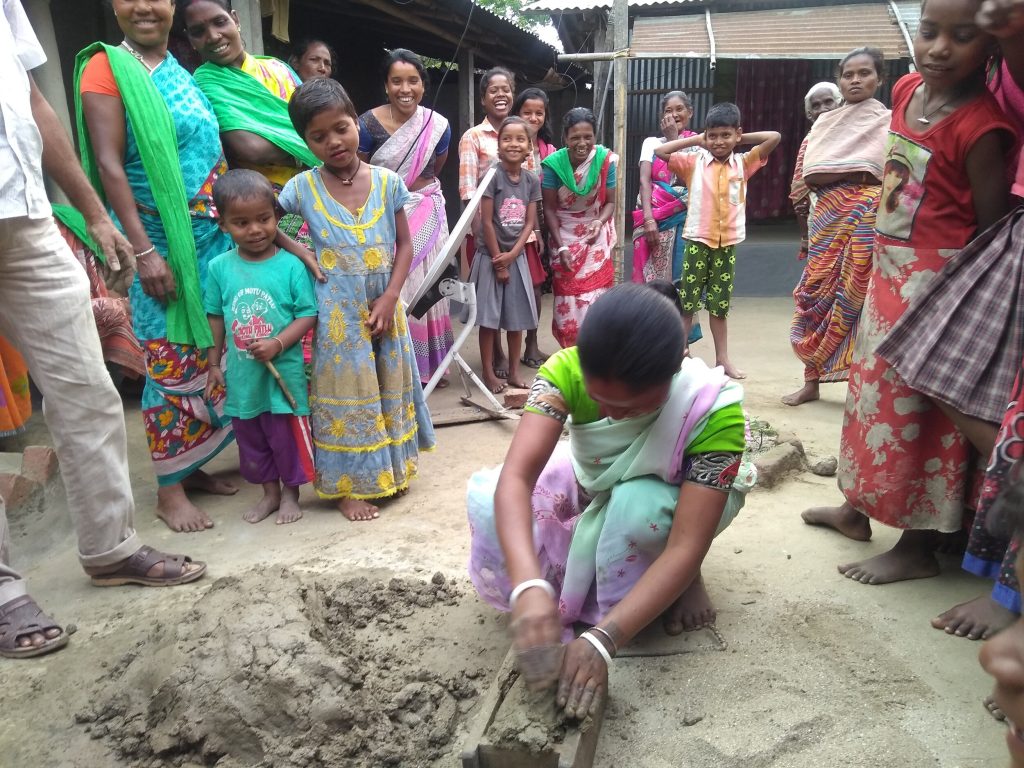
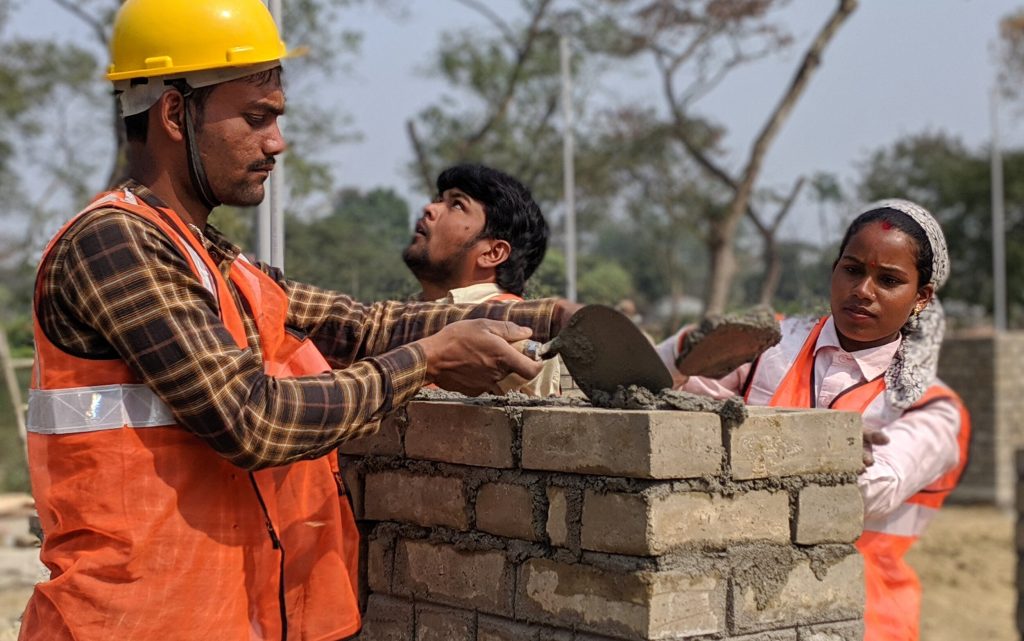
In the design and construction of eArthshala, there are some key choices we’ve made to minimise our carbon footprint and maximise our positive impact. For example, passive solar design with our climate and weather patterns in mind ensures we’ll have rooms that are naturally lit and ventilated. The use of primary building materials that are renewable such as earthen walls and bamboo for roofing members means that we’ve been able to minimise the use of high-embodied energy construction material like fired bricks, steel and concrete. Other elements of regenerative landscape and sustainable sanitation systems are also being worked out — all this while prioritizing the skilling of local artisan in building services and construction techniques.
Our work flow took a hit due to the lockdowns imposed at the start of the pandemic, but now that the government is no longer imposing blanket lockdowns, we have been able to bring back our work traction. Certainly the threat of Covid-19 looms, but if all things pan out as per current plans, our first building, the Training Hall should be all set to host you(!) in 2022 — just in time for what we call hope would be the post-pandemic life!
Other than that, I’m personally dabbling in a few other interests like land-regenerative practices and sustainability education.