Ads are not fundamentally bad, but providing detailed profiles on millions of users to un-vetted third parties who can then monitor their behavior in real-time is an enticing proposition for undemocratic agents. That’s how Facebook ended up allowing Cambridge Analytica to harvest data on millions of unwitting Americans. When the Federal Trade Commission (FTC) investigated the issue, they found the company had repeatedly violated a 2012 order barring Facebook from deceiving users about its privacy practices.
If privacy is your concern, you may want to consider divesting from companies whose main product is your personal information, and instead, try alternatives like MeWe for networking, DuckDuckGo for search, ProtonMail for e-mail and Signal or Telegram for texting. You can find more of these recommendations in the report that I wrote for the UnSchool (which will be published here in the next few weeks).
Silicon Valley reaches far beyond Palo Alto
We have all seen images of Silicon Valley’s famed startup offices, featuring ping-pong tables, juice bars and in-house yoga. The world’s biggest tech companies, however, also sub-contract people around the world, often to manufacture their devices and moderate their content, yet their working standards are a far cry from those of HQ employees.
Recently, dozens of Facebook and Twitter sub-contracted moderators have come forth to complain about their terrible work conditions, in the United States and also India and the Philippines. As exposed by the documentary, The Cleaners, these workers are exposed to extremely traumatic imagery, with little to no psychological support, leading to PTSD and depression.
To ensure you don’t condone forced or unsafe labor, consider researching the conditions in which your gadgets are manufactured (news reports are a good place to start) or how your content is policed, and then decide if you wish to continue to use platforms that systematically put their employees’ health on the line.
The cloud is made out of carbon
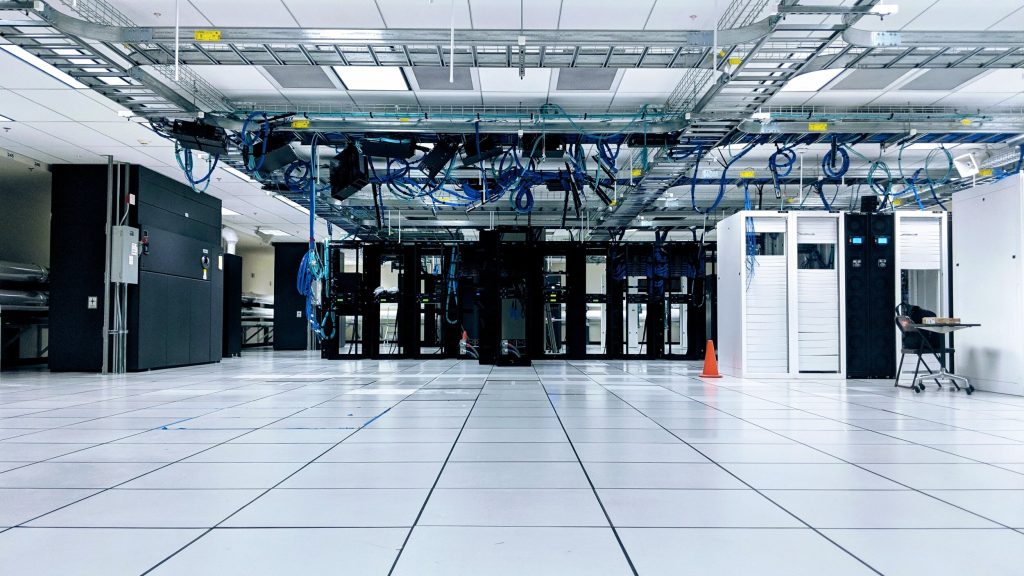
Cloud storage may save trees from being logged for paper, but that doesn’t make it carbon neutral. According to Justin Adamson, a Stanford graduate in Atmosphere and Energy Engineering, storing 100 gigabytes of data (about 100 average movies) in the cloud each year would result in a carbon footprint of about 0.2 tons of CO2 (based on the U.S. electric mix) — the equivalent of flying from New York to Los Angeles.
So if you want to safeguard your files in the most carbon efficient way, consider using physical hard drives. You can also opt for other cloud storage options or web hosting services like Ionos that are powered largely by renewable energy. Get into the habit of regularly de-cluttering your digital closets, ensuring there are no useless apps, redundant back ups or old movies that can be permanently erased to lighten your carbon footprint.
Your smartphone is not that smart
Phones use less electricity than computers, so it’s environmentally efficient to use them to answer e-mail and read the news. But when it comes to their manufacturing, phones are major polluters. According to a study from McMaster University, by 2020 the ecological footprint of smartphones alone will surpass the individual contribution of desktops, laptops and other displays – largely because of the mining of rare materials needed to build a new device.
The problem is that smartphones also have a much shorter life cycle than the rest of devices. So try to keep your current phone for as long as you possibly can, and if you can not fix it, dispose of it responsibly – e-waste is incredibly hazardous and often not recycled. If you have to buy a new one, prioritize ones that can be easily repaired and check the “GreenPeace Guide to Greener Electronics” (Fairphone and certain Apple products lead the pack).
New is not always better
The tech sector is brilliant at marketing new products as upgrades and must haves, but that’s not always the case. The same study that exposed smartphones’ ecological footprint found that, on average, new models with larger screens have a worse carbon footprint than their smaller predecessors.
Disrupting an industry can also disrupt ecosystems. Blockchain technology has long been hailed as the answer to many world’s biggest trust issues, including ethical finance, fake news and electoral fraud. But such a change may come at a massive environmental cost, particularly when it comes to mining cryptocurrencies. According to a paper published on Joule, a scientific journal for energy research, the annual carbon emissions associated with the creation of Bitcoins alone are close to those of countries like Jordan or Sri Lanka. Some even claim it is the new oil.